Plumbing problems can be a nightmare for homeowners. From minor leaks to major clogs, these issues can disrupt your daily life and lead to costly repairs. Fortunately, many plumbing problems can be prevented with a little knowledge and proactive maintenance. In this blog post, we’ll explore ten common plumbing issues and offer tips on how to prevent them.
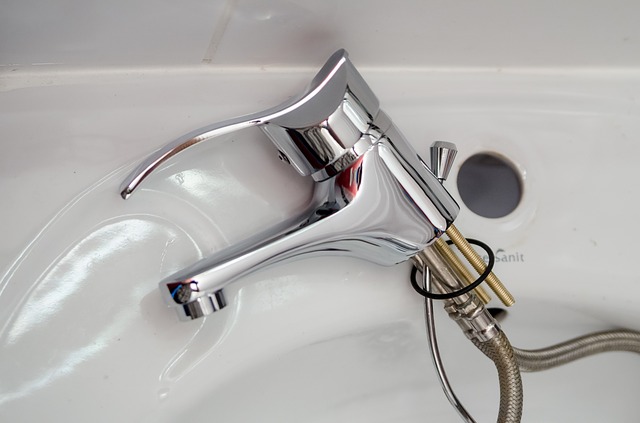
1. Leaky Faucets
Problem: A dripping faucet can waste a significant amount of water over time and increase your utility bills.
Prevention: Regularly check your faucets for leaks. Replace worn-out washers and O-rings, and ensure all connections are tight. If you notice persistent dripping, it may be time to call a professional.
2. Clogged Drains
Problem: Clogs can occur in sinks, tubs, and toilets, causing slow drainage and potential overflow.
Prevention: Avoid putting grease, hair, and food scraps down your drains. Use a drain strainer to catch debris, and regularly flush your drains with hot water or a mixture of baking soda and vinegar to keep them clear.
3. Running Toilets
Problem: A toilet that runs continuously can waste water and increase your bills.
Prevention: Check the flapper valve and chain for wear and ensure the toilet’s float is properly adjusted. Regularly inspect and maintain your toilet components to prevent issues.
4. Burst Pipes
Problem: Frozen or damaged pipes can burst, leading to severe water damage.
Prevention: Insulate exposed pipes, especially in colder areas. During winter, let faucets drip slightly to keep water flowing and prevent freezing.
5. Water Heater Issues
Problem: A malfunctioning water heater can lead to inadequate hot water or leaks.
Prevention: Schedule annual maintenance for your water heater, including flushing out sediment and checking the pressure relief valve. Set the temperature to around 120°F for safety and efficiency.
6. Low Water Pressure
Problem: Low water pressure can make daily tasks frustrating, from showering to washing dishes.
Prevention: Check for leaks in your plumbing system and clean faucet aerators and showerheads regularly. If the problem persists, consult a plumber to investigate potential causes, such as pipe corrosion.
7. Sewer Backups
Problem: A sewer backup can cause foul odors and significant damage to your home.
Prevention: Be mindful of what you flush down the toilet and avoid pouring grease or non-biodegradable items down the drain. Regularly schedule a sewer line inspection, especially if you live in an older home.
8. Toilet Clogs
Problem: Frequent toilet clogs can be a hassle and indicate underlying plumbing issues.
Prevention: Educate household members on what can and cannot be flushed. Avoid flushing excessive toilet paper or feminine products. Use a plunger regularly to keep the toilet clear.
9. Discolored Water
Problem: Discolored water can indicate rust or sediment buildup in your pipes.
Prevention: Flush your pipes regularly, especially if you notice changes in water color. Install a water filter if necessary, and consider replacing old pipes to ensure clean water.
10. Bad Odors
Problem: Unpleasant odors coming from drains can indicate trapped debris or sewer issues.
Prevention: Regularly clean your drains and use enzyme-based cleaners to break down organic material. Ensure your plumbing traps are filled with water to prevent sewer gases from entering your home.
Conclusion
By being proactive and aware of these common plumbing issues, you can save yourself time, money, and stress. Regular maintenance and inspections can go a long way in preventing plumbing disasters. At Dave Kalm Plumbing, we’re here to help with all your plumbing needs. If you experience any of these issues or need a professional check-up, don’t hesitate to reach out! Your peace of mind is our priority.