Plumbing emergencies can strike at any moment, often when you least expect them. A burst pipe, overflowing toilet, or sudden leak can cause significant damage to your home and create a stressful situation. Knowing how to handle these emergencies can save you time, money, and a lot of headaches. In this blog post, we’ll guide you through the steps to take when disaster strikes and how to mitigate damage until a professional arrives.
1. Stay Calm and Assess the Situation
The first step in any plumbing emergency is to stay calm. Panicking can lead to hasty decisions that might worsen the situation. Assess the problem carefully. Identify where the issue is coming from and determine the extent of the damage.
2. Shut Off the Water Supply
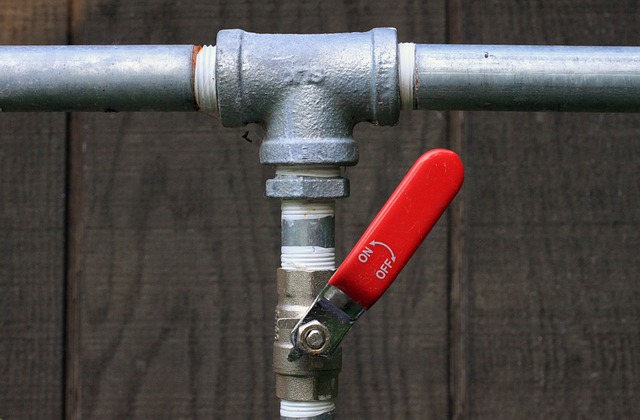
In most cases, the first thing you should do is shut off the water supply to prevent further flooding or damage. Here’s how:
- For a Burst Pipe: Locate the main water shut-off valve, usually found near the water meter or where the water line enters your home. Turn it clockwise to close it.
- For a Toilet Overflow: Turn off the shut-off valve located behind the toilet. If you can’t find it, you can also remove the tank lid and lift the float to stop the flow of water.
3. Drain the Pipes
Once the water is shut off, you can help reduce pressure in the pipes and minimize any remaining water. Turn on faucets throughout your home to allow water to drain out. This step will help prevent further leaks or bursts.
4. Contain the Damage
If you have water pooling in your home, contain it as much as possible to minimize damage:
- Use Towels or Mops: Soak up any standing water with towels or mops.
- Place Buckets: If water is dripping from a ceiling or wall, place buckets or containers underneath to catch the water and prevent it from spreading.
5. Document the Damage
Take photos of the damage for insurance purposes. This documentation can be vital when filing a claim and can help you communicate effectively with your plumber.
6. Call a Professional
After you’ve contained the situation, it’s time to call a licensed plumber. Provide them with as much detail as possible about the issue, including what happened, the steps you took, and any visible damage. This information will help them prepare for the repair.
7. Know When to Seek Help
While some plumbing issues can be handled with basic DIY skills, others require professional expertise. Here are situations where you should definitely call a plumber:
- A significant leak or burst pipe
- Sewage backup
- Gas leaks or issues with gas lines
- Water heater failure
- Clogged drains that won’t clear
8. Prevent Future Emergencies
Once the immediate crisis is handled, take some time to consider how to prevent future plumbing emergencies:
- Regular Maintenance: Schedule regular plumbing inspections to identify potential issues before they become emergencies.
- Know Your Plumbing System: Familiarize yourself with your plumbing layout, including the location of shut-off valves and the condition of your pipes.
- Educate Your Family: Make sure everyone in your household knows what to do in case of a plumbing emergency and how to shut off the water supply.
Conclusion
Plumbing emergencies can be overwhelming, but knowing how to respond can make a significant difference. By staying calm, shutting off the water supply, and calling a professional, you can minimize damage and get your home back to normal as quickly as possible.
At Dave Kalm Plumbing, we’re here to help with all your emergency plumbing needs. Don’t hesitate to contact us—our expert team is available 24/7 to handle any plumbing disaster that comes your way! Stay prepared, and remember that a little knowledge can go a long way in preventing and managing plumbing emergencies.